Have you walked into a room and noticed that it has an atmosphere that makes you relax and enjoy the space? It’s the impact of lighting. An interior design project without proper lighting is like a body without a soul. Lighting plays a major role in setting the ambiance and mood of a home; it can also make a room appear different. Getting the lighting right is therefore important; it demands detailed planning. In this article, we will discuss different types of lighting and their importance in home interiors.
Understanding lighting
A good interior incorporates effective lighting. Beyond visibility, lighting establishes mood. In order to achieve the best lighting effects, it is necessary to know ambient, task, and accent lighting and how they work to meet the desired setting in your personal space. For instance, using ambient lighting can elevate the visibility of a room, and diffused lighting can initiate a compact feel. Whether you have a cosy living room or you are designing your workspace, understanding lighting in interior design is crucial.
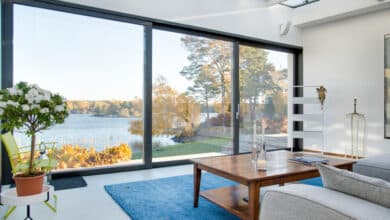
One of the major reasons lighting is important in interior design is because of its ability to beautify a space. It highlights certain spaces and enhances architectural features, textures, and how colours are perceived. Artificial lighting enhances the true colours of walls and furniture and creates a cosy and inviting atmosphere, making a space feel more modern and energising.
Types of lighting
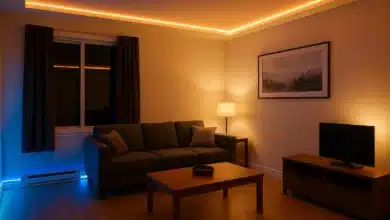
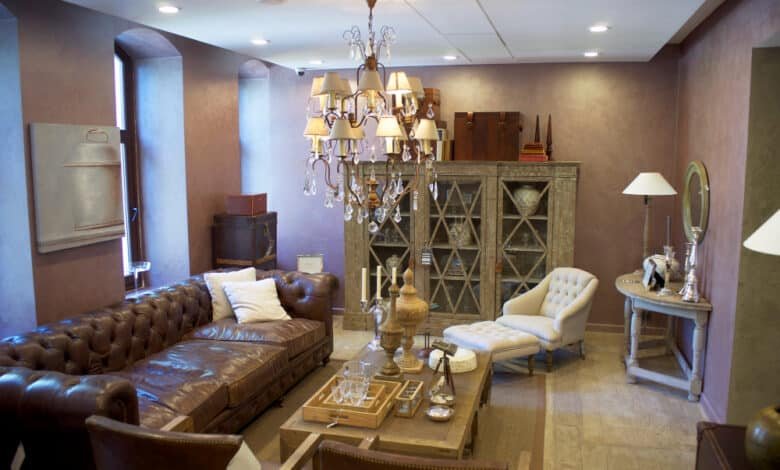
Ambient lighting: Ambient lighting is the general lighting that covers the whole space and provides overall illumination. Overhead fixtures, recessed ceiling lights, flush mounts, and chandeliers are all examples of ambient lighting. This kind of lighting establishes the ambience of a room.
Task Lighting: Task lighting is focused on activities such as reading and cooking. This also includes bathroom mirrors, home office desks, reading nooks, and kitchen countertops. LED strips under the upper cabinets are a practical solution.
Functionality and Practicality
Lighting has a significant impact on our productivity, mood, and overall well-being. It influences our sleep-wake cycle and regulates our circadian rhythm. Designers combine all three of these combinations to create an atmosphere within a room. When you are designing a room, think of the activities that take place there. If you have a reading nook, you need a lamp; if you have a closet, it needs overhead lighting. Your kitchen work light needs to be placed over your workstation. In the bedroom, choose soft, warm lighting.
Selecting energy-efficient lighting is an important element of interior design. LED lights consume much less energy. They also have a longer life and are cost-effective in the long run. Dimmer lighting and motion sensors also help save more energy, as this set of lighting reacts to motion/occupancy or time.
Conclusion
Lighting holds the power to transform and breathe life. It is essential to utilise lighting in every way. By understanding its importance, you can ensure everything is strategically utilised and transform your home into a harmonious, inviting environment. Whether you’re renovating or designing an entire home, get help from an experienced interior design team to bring your vision to life.
D’LIFE interior designers in Mumbai, with their expertise in lighting and overall residential interior design, ensure every space is functional, aesthetic, and tailored to your requirements. D’LIFE believes that no space should be left compromised for the sake of looks and recognises lighting as an essential element of interior design. Head to D’LIFE and get more insights and advice on setting the ideal lighting for your home.